
Best Ice Cleats for Shoes and Boots
June 6, 2026
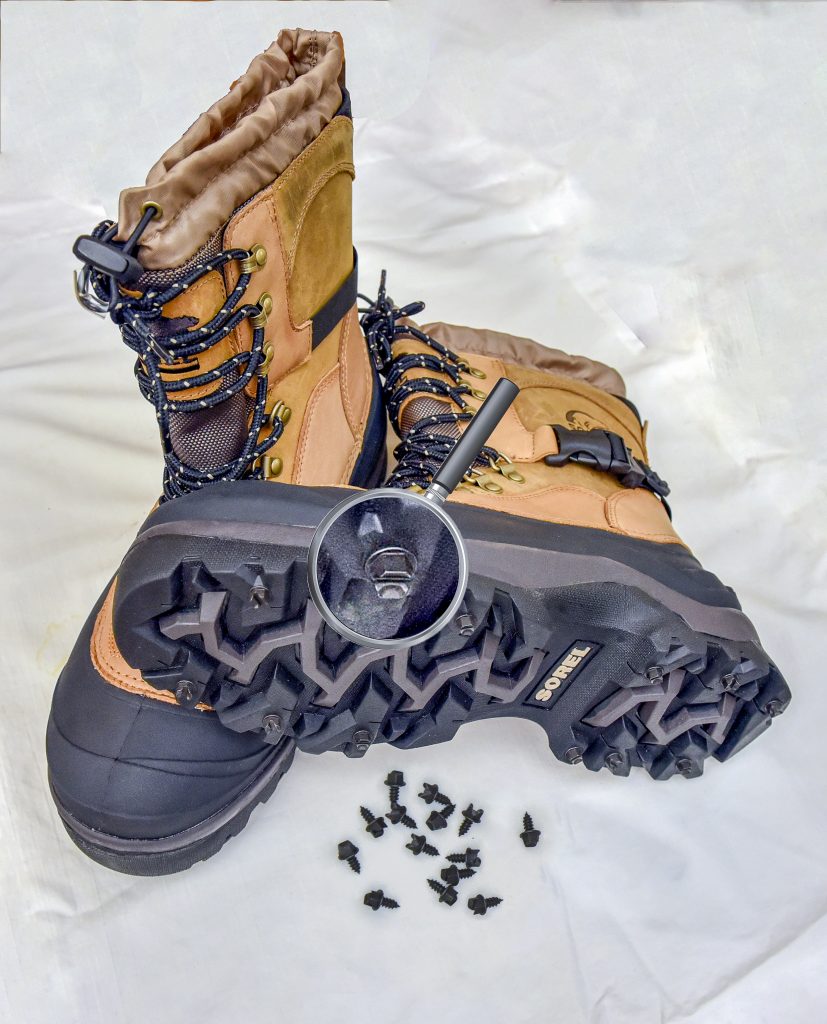
A slick driveway at 6 a.m. will tell you very quickly whether your traction gear is working or just tagging along. The best ice cleats for shoes and boots do more than add bite on frozen ground. They keep your stride natural, cut down on fatigue, and give you the confidence to move across ice, packed snow, slush, and mixed terrain without that constant fear of your feet shooting out.
That matters whether you are logging winter miles, walking the dog, climbing in and out of a truck, carrying gear to an ice shack, or just trying to make it from the porch to the mailbox in one piece. Not all cleats solve the same problem. Some are built for occasional use on pure ice. Others are better for runners, workers, hikers, or older adults who need secure footing every day. The right choice depends on where you move, how often you move, and how much bulk you are willing to tolerate.
What actually makes the best ice cleats for shoes and boots?
Real traction starts with contact, but good traction gear also has to stay put, feel stable, and work with your footwear instead of fighting it. That is where a lot of winter traction devices fall short. A cleat may look aggressive, but if it shifts underfoot, packs with snow, throws off your gait, or feels clumsy on mixed surfaces, it becomes one more thing to manage.
The best systems balance grip, comfort, and control. On hard ice, you want sharp points that can bite instead of skidding across the surface. On packed snow and uneven ground, you need enough traction points to keep your footing predictable. On mixed terrain, including pavement, gravel, and frozen dirt, the cleat has to work without making every step awkward.
Fit matters just as much as traction. Over-shoe systems that stretch around a boot can be effective for certain situations, but they also add bulk under and around the foot. That can create hot spots, alter stride mechanics, and make quick transitions harder. If you are active, working long hours, or moving over changing surfaces, that trade-off gets old fast.
The main types of ice cleats
Most winter traction products fall into three categories: strap-on cleats, chain or coil systems, and screw-in spikes.
Strap-on cleats are common because they are easy to recognize and simple to remove. They wrap around your shoe or boot with an elastic harness and place studs or plates under the sole. For occasional use, they can get the job done. The downside is that they can shift, stretch, or loosen over time, especially in cold conditions. They also tend to feel bulky, which is not ideal if you care about a smooth stride or all-day comfort.
Chain and coil systems are usually aimed at walkers and light winter use. They can add traction on snow and light ice, but they are often less precise on glare ice where true penetration matters. Coils can also wear down quickly if you spend much time on concrete or asphalt. They are better than nothing, but they are rarely the first choice for serious traction.
Screw-in spikes take a different approach. Instead of hanging under the shoe, they attach directly to the sole. That creates a more integrated feel and typically preserves a more natural gait. For runners, hikers, outdoor workers, and anyone tired of wrestling with removable traction gear, this setup offers a major advantage. You get bite where it counts without the extra harness, drag, and instability of an over-shoe device.
Why screw-in spikes often outperform strap-on cleats
If your goal is maximum convenience for occasional icy walks, a strap-on model might seem fine. But if you use traction regularly, the weaknesses show up quickly. They can slip out of position, collect slush, and feel heavy underfoot. Every extra layer between your shoe and the ground changes how you move.
That is why many experienced winter users prefer a direct-to-sole system. A screw-in spike setup stays close to the shoe, reduces bulk, and lets the outsole keep doing its job. The result is a more secure, more athletic feel. You are not fighting a rubber harness or stepping on a loose platform. You are simply moving in your own footwear with added bite.
This is where a system like ICESPIKE stands apart. The design gives everyday shoes and boots aggressive traction without turning them into clunky winter contraptions. That matters for runners who need rhythm, workers who need stability, and practical users who want safer footing without changing how they walk.
Best ice cleats by use case
For runners and fast-moving walkers
Runners need traction that feels light, stable, and predictable. A bulky cleat that changes foot strike is a problem, not a solution. The best option here is usually a low-profile spike system that attaches securely and lets the shoe flex naturally. If you train on snowy roads, frozen paths, or mixed winter surfaces, direct-mounted spikes usually make more sense than removable harness cleats.
For hikers and trail users
Hikers deal with more terrain changes than almost anyone. Ice can turn to mud, roots, rock, and packed snow in a single mile. In that environment, durability and retention matter. You want traction that stays put and keeps working when the trail gets messy. Heavier chain-style systems may help on steep frozen sections, but for repeated mixed-terrain use, a lighter integrated spike setup often feels more efficient and less fatiguing.
For work boots and jobsite use
Outdoor workers need dependable traction, not something that fails halfway through a shift. Climbing ladders, stepping out of trucks, walking across frozen lots, and moving over slush and gravel all put demands on traction gear. Strap-ons can be inconvenient in these conditions because they snag, wear, or get removed too often. A direct-install spike system is often the better fit because it stays with the boot and keeps the worker moving.
For seniors and everyday winter walking
For older adults, the best cleat is the one they will actually use. If a traction device is hard to put on, awkward to remove, or uncomfortable on short trips, it often ends up sitting by the door. A lighter, more stable setup can make daily use much more realistic. The goal is not aggressive performance for its own sake. The goal is confidence – porch steps, sidewalks, driveways, errands, and dog walks without hesitation.
How to judge traction without getting fooled by marketing
More spikes do not automatically mean better traction. Placement matters. Sharpness matters. So does how the system interacts with the outsole. A dozen poorly positioned points can perform worse than a smaller number of well-placed spikes that hit where the foot actually loads.
Material quality matters too. Cheap metal wears fast, especially on pavement. Weak rubber harnesses lose tension in the cold. Low-quality screws can back out or strip. If you are buying traction for serious use, durability is not a bonus feature. It is the feature that keeps the whole setup worth wearing.
Comfort is another filter that people underestimate. If the cleat changes how you land, makes you walk stiffly, or creates pressure points, you will compensate with every step. Over time, that can mean tired legs, sore feet, and less confidence, even if the grip itself is decent. The best traction feels secure without feeling intrusive.
The trade-offs to keep in mind
There is no one-size-fits-all answer. If you only need traction a few times each winter and want something easy to share between pairs of boots, a removable strap-on cleat may still work for you. If you need serious grip every day, or you care about preserving natural movement, direct-to-sole spikes are usually the stronger choice.
It also depends on surface conditions. Pure glare ice demands sharper, more aggressive bite than loose snow. Mixed city walking may call for a lower-profile setup that handles pavement transitions better. Backcountry travel may justify a more specialized traction system. The best gear is the gear that matches your actual winter, not the worst-case photo on the package.
Choosing the right fit for your footwear
Start with the shoes or boots you wear most. Running shoes, hikers, insulated work boots, and casual winter footwear all carry weight differently. A traction solution has to match that shape and use pattern. If you rotate between multiple pairs, versatility matters. If you rely on one pair daily, long-term comfort matters even more.
Also think beyond winter. Some traction systems are only useful for a narrow slice of icy conditions. Others can handle mud, wet trails, loose gravel, and slick natural surfaces too. That wider range can make the investment more practical, especially if you spend time outdoors year-round and want reliable bite without storing another bulky accessory.
The strongest choice is usually the one that gives you secure footing with the least interference. Good traction should make you feel more capable, not more cautious. When your cleats stay out of the way and keep you upright, you stop thinking about the gear and start trusting your footing. That is exactly where winter movement gets safer, stronger, and a whole lot more enjoyable.