
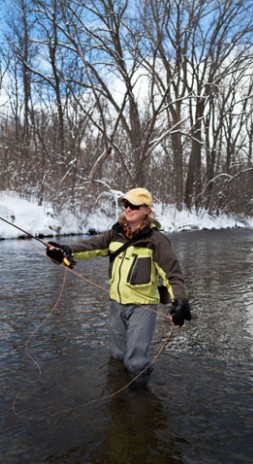
The bad step usually comes when you are not rushing. You are easing into the run, reading current, watching your footing, and then a thin layer of algae over rock turns solid ground into a trap. That is exactly where wader spikes earn their keep. They are not a gimmick for extreme conditions. They are a practical traction upgrade for anglers who spend real time on slick bottoms, muddy banks, icy launches, and uneven shorelines.
For anyone who has fished in chest waders long enough, the problem is familiar. Felt helps in some places. Rubber soles last longer and travel better, but can skate on slime-covered stone. Strap-on traction systems can add bite, yet they also add bulk, shift underfoot, and change the way you walk. When your balance matters on every step, that trade-off gets old fast.
What wader spikes actually do
Wader spikes add concentrated points of contact that bite into surfaces ordinary soles struggle to hold. That matters in moving water, on boat ramps, around frozen banks, and anywhere mud or polished rock reduces friction. The goal is simple – more grip where you need it, without turning your wading boots into clumsy hardware.
The best systems work with your footwear instead of fighting it. That sounds small, but it changes everything. When traction is installed directly into the sole, the grip feels more natural underfoot. You are not stepping on a loose frame or a web of chains. You are still walking in your own boots, just with more authority on unstable ground.
That natural feel is a big deal for anglers who cover distance. A short walk from truck to bank is one thing. Picking your way through a half mile of rocky shoreline, climbing in and out of current seams, or carrying gear over frozen gravel is another. Heavy add-on traction can wear you down. A lighter, integrated setup preserves stride and reduces that awkward, high-stepping gait that comes with bulky over-shoe devices.
Where wader spikes make the biggest difference
Not every fishing environment asks for the same traction. That is why the right answer depends on where and how you fish.
Rivers with slick rock and algae
This is the classic case. Freestone and tailwater rivers often hide polished stone under a film of algae that feels like grease. Flat rubber can slip. Felt can still slide once the slime gets thick. Wader spikes create bite points that dig through that layer and give you a more stable platform while crossing, repositioning, or planting to cast.
Muddy banks and soft edges
A lot of falls happen before you ever reach the water. Launch areas, cut banks, and thawed shoreline mud can suck at your boots and twist your footing. Spikes help here too, but in a different way. Instead of just adding friction, they give your sole something to anchor with as the surface shifts beneath you.
Ice, frost, and frozen access points
Winter anglers know the walk in can be worse than the fishing itself. Boat ramps, parking areas, frozen grass, and patchy shoreline ice are perfect places to lose confidence. Wader spikes add the kind of grip that lets you move with intent instead of shuffling and hoping.
Mixed terrain between spots
This is where many traction systems fall apart. They may grip well in one setting, then feel miserable on trail, gravel, or pavement. Good spikes are more versatile than that. They can handle transitions between dirt, rock, snow, and streambed without making every step feel forced.
The problem with bulky traction systems
Anglers have put up with strap-on cleats for years because they seemed like the only option. But their weaknesses show up fast in the field.
First, they move. Even a good harness can shift when wet, loosen over time, or sit unevenly on the sole. That is more than annoying. It changes pressure underfoot and can make you less stable, not more. Second, they add weight in the wrong place. Extra bulk on the outside of the boot creates a clunky feel that increases fatigue over a long day.
Then there is compatibility. Some systems fit one pair of boots reasonably well and another poorly. Some are easy to lose. Some catch on debris. Some simply do not stay put under hard use. For anglers who fish often, especially in rough conditions, that starts to feel like a compromise instead of a solution.
Direct-to-sole spikes answer those problems with a cleaner setup. Less movement. Less bulk. Better feel. Better control. That is why many serious users move away from over-shoe traction once they have spent enough time fighting with it.
Choosing the right wader spikes setup
The right setup depends on boot sole type, terrain, and how permanent you want the traction to be.
If your wading boots have rubber soles, spikes can dramatically improve grip on slick rock and mixed winter ground. Rubber is durable and travel-friendly, but it often needs help on polished surfaces. Spikes provide that help without requiring a totally different boot.
If you already run felt soles, adding spikes can still make sense. Felt alone performs well in many river conditions, but it is not magic. On certain rocks, heavy slime, or icy edges, extra bite can mean the difference between cautious movement and confident movement. The trade-off is that an aggressive setup can feel harsher on hard dry surfaces, so your route in and out matters.
Installation style matters too. Some anglers want a removable seasonal option. Others want traction that stays ready through the cold months or all year on dedicated fishing boots. If you fish frequently, a screw-in system is usually the more dependable route because it stays where it belongs and keeps the boot profile cleaner.
Placement also affects performance. More is not always better. You want coverage at key contact points under the forefoot and heel, where slip and push-off happen. Overloading the sole can create a harsh ride and unnecessary wear on hard ground. A balanced layout gives you grip without sacrificing comfort.
Why lighter traction wins over a long day
Traction is not just about preventing a fall. It is also about preserving energy and movement. That is where a lot of anglers underestimate the value of a lighter, lower-profile spike system.
When traction feels heavy or awkward, you compensate without realizing it. You shorten your stride. You stiffen your legs. You place your feet more carefully than normal, even when the terrain does not require it. Over hours, that adds up to more fatigue and less confidence. The right spike system should disappear into your movement, letting you focus on current, footing, and fish instead of your gear.
That is the real performance advantage of a direct, screw-in design like ICESPIKE. It delivers aggressive bite without the floppy, overbuilt feel that comes with many strap-on options. You get secure footing, a more natural gait, and traction that works across more than one type of terrain. For anglers who demand mobility as much as grip, that is a serious upgrade.
Trade-offs worth knowing before you install
There is no perfect traction setup for every surface. Honest gear advice has to say that plainly.
Spikes shine on slick, unstable, and soft terrain. On smooth indoor floors, finished decks, or hard pavement, they can feel noisy, less comfortable, and sometimes too aggressive. That does not mean they are the wrong choice. It means they are purpose-built. If your fishing day includes a lot of indoor stops or extended pavement walking, you may want to think about when and where you wear your spiked boots.
Wear rate depends on use. Frequent contact with hard rock, concrete, or asphalt can shorten the life of any traction point. Installation quality matters too. The best results come from using spikes designed for direct sole attachment and placing them carefully for the boot and use case.
Local regulations also matter in some fisheries. Certain areas have restrictions or preferences around sole types and traction hardware. It is worth checking before you commit to a setup, especially if you travel to fish.
Who benefits most from wader spikes
The short answer is anyone who fishes where footing is part of the challenge. That includes river anglers crossing boulder gardens, surf casters working slippery jetties, bank fishermen dealing with winter mud, and older anglers who want more confidence getting from truck to water and back again.
It also includes guides and frequent anglers who cannot afford wasted movement. If you fish hard, unstable footing drains energy and attention all day. Better traction gives both back to you. It lets you move decisively, stay balanced in current, and spend less time thinking about the next step.
The smartest gear upgrades are the ones you feel every trip without having to think about them. Wader spikes fit that category. When the bank is frozen, the rocks are slick, or the river bottom is trying to put you on your back, extra grip is not about comfort alone. It is about staying upright, staying mobile, and fishing with the kind of confidence rough water demands.