
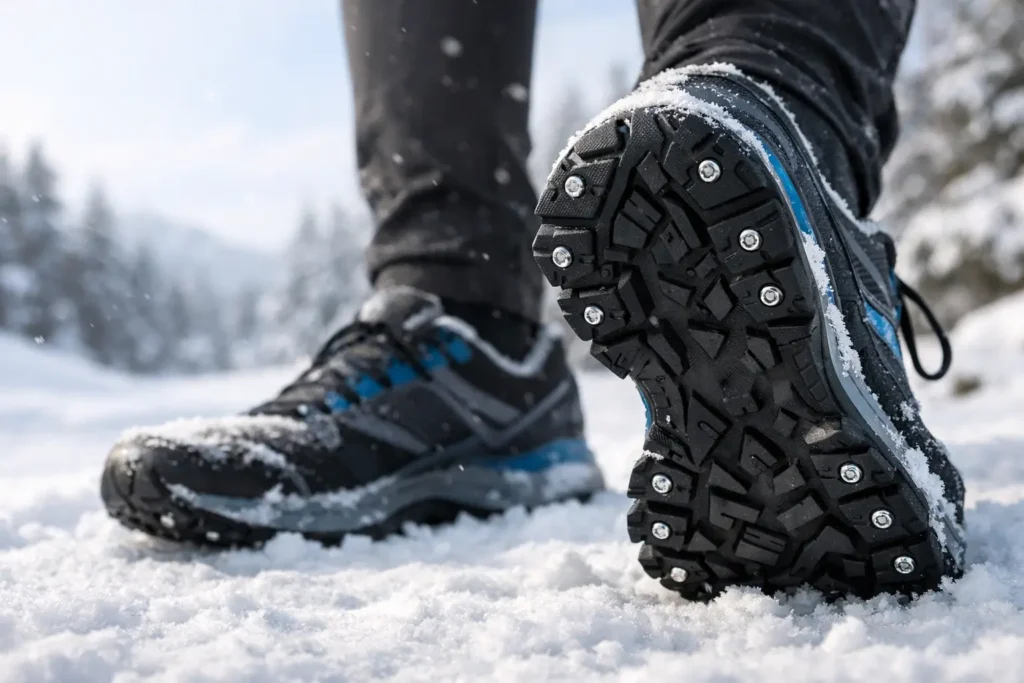
The first bad step of winter usually happens when everything looks fine. The road is wet, not white. The trail looks packed, not icy. Then your foot lands, slides, and your whole run changes from training to damage control. That is exactly why runners ask how to make running shoes winter ready before the season gets ugly, not after they hit the ground.
Winter running is not just a cold-weather version of your usual routine. The surface changes. Your stride changes. Your margin for error gets smaller. Good winter prep is about keeping your natural movement while adding the traction, weather resistance, and stability that cold, slick conditions demand.
How to make running shoes winter ready without ruining the ride
A lot of runners make one of two mistakes. They either do nothing and hope their regular shoes can handle snow and black ice, or they overcorrect with bulky add-ons that feel clumsy, heavy, and awkward underfoot. Neither option is great if you care about performance and staying upright.
The best setup depends on where and how you run. A city runner dealing with plowed sidewalks, frozen intersections, and slush has different needs than a trail runner grinding through packed snow and muddy freeze-thaw sections. But the goal stays the same – improve grip, keep feet drier and warmer, and protect the natural feel of the shoe.
Start with traction, because that is the piece that matters most when winter surfaces get unpredictable. If your outsole is already worn smooth, no amount of optimism will fix it. Retiring beat-up shoes before winter is not wasteful. It is smart. Fresh lugs or a cleaner tread pattern give you a better base, but on ice and mixed terrain, outsole rubber alone often is not enough.
That is where runners need to think carefully about the difference between integrated traction and temporary traction. Strap-on cleats can help in very specific conditions, but they also add bulk, shift underfoot, and can interfere with gait. On a short walk, maybe that trade-off is acceptable. On a run, especially one with changing surfaces, it can feel like your shoe stopped being a running shoe.
A direct-to-sole traction system is a stronger answer when you want serious grip without that loose, over-the-shoe feel. Screw-in traction spikes bite into slick ground while keeping the profile of the shoe lean and runnable. That matters. Winter miles are hard enough without fighting your footwear every step.
Traction is the real winter upgrade
If you only change one thing, change your grip. Runners can tolerate cold better than they can tolerate a sudden loss of footing. The right traction upgrade gives you more than safety. It gives you rhythm. You stop tiptoeing through corners, braking on descents, and wasting energy on every uncertain step.
Not every winter route needs the same level of bite. Packed snow, loose snow, and glare ice are different problems. If most of your route alternates between pavement, frozen patches, and slush, you need traction that works across mixed surfaces without turning your stride into a stomp. That is why low-profile, installed spikes make so much sense for real winter use. They stay with the shoe, they do not flap or shift, and they do not force the kind of awkward mechanics that make legs tire faster.
ICESPIKE built its reputation on exactly that advantage – more grip, less bulk, and a more natural stride than strap-on traction devices.
Weather protection matters, but there is a trade-off
Once traction is handled, look at water and cold. Wet feet are not just uncomfortable. They can make your whole run feel heavier, colder, and harder to control. Slush is especially punishing because it soaks shoes fast and drains heat even faster.
Some runners solve this with waterproof shoes. That can work well in shallow snow or slushy neighborhoods, especially if temperatures are low enough that you are not dealing with heavy sweat buildup. But waterproof uppers are not perfect. They usually breathe less, and once water gets in from the collar, it can be slow to get out. For faster efforts or longer runs, that trade-off may not be worth it.
A more flexible approach is to keep the shoe you already run well in and improve the weak points around it. Water-resistant socks, slightly taller winter socks, and gaiters can do a lot more than people expect. Gaiters in particular help keep snow from dropping in through the ankle opening, which is often how feet get wet in the first place.
There is a fit issue here too. Do not cram thick socks into a shoe that already fits snug. That can reduce circulation and make your feet colder, not warmer. Winter comfort often comes from a little extra space, not maximum insulation.
Laces, fit, and stability in cold conditions
Cold weather exposes sloppy fit fast. If your heel moves around or your forefoot slides inside the shoe, slick surfaces make that instability worse. Your winter setup should feel locked in, not over-tightened.
Check your laces before you blame the shoe. Runner’s knot lacing can improve heel hold and cut down on internal movement, especially when socks are thicker than usual. If your current pair still feels loose or vague underfoot, winter is a poor time to ignore it. Stable footing starts inside the shoe before it ever reaches the ground.
This is also why oversized traction accessories can be a problem. Anything that changes flex, adds swing weight, or creates an uneven platform asks your body to compensate every step. Over a few icy blocks, you notice it. Over five miles, you pay for it.
How to make running shoes winter ready for roads vs trails
Road runners and trail runners face different winter hazards, and your setup should reflect that.
On roads, the danger is often inconsistency. A route can shift from bare pavement to black ice to salted slush in a single mile. Here, you want a shoe that still feels fast and efficient but gains dependable bite when conditions turn slick. Lightweight traction matters because repetitive impact on hard surfaces exposes every extra ounce and every awkward movement pattern.
On trails, winter surfaces are usually softer but less predictable. Packed snow may hold well until a shaded turn turns glassy. Mud can freeze overnight and break apart by midday. Roots and rocks become more dangerous when hidden under snow. Trail runners can often get away with more aggressive tread, but in real ice, tread alone still has limits. Added traction makes steep climbs, descents, and side-hill sections far more manageable.
In both cases, the best winter shoe is usually the one that still runs like a running shoe. If your winter setup feels stiff, bulky, and disconnected from the ground, confidence drops. When confidence drops, pace, form, and enjoyment usually go with it.
Small upgrades that make a big difference
Winter readiness is usually a system, not one purchase. A few smart adjustments can change the whole experience.
First, inspect your outsole and midsole. Hardened, worn, or uneven shoes are a liability in winter. Second, choose socks based on moisture management, not just thickness. Merino blends are popular for a reason. Third, use gaiters if you regularly run through snow, slush, or trail debris. Fourth, think about visibility if you run in low-light winter hours, because footing is only one part of staying safe.
And then there is route choice. Even the best traction system cannot turn polished sheet ice into summer pavement. Winter-ready runners still adapt. They shorten stride slightly, stay light on steep descents, and avoid the worst surfaces when possible. Better gear increases your margin. It does not erase physics.
What not to do when winterizing running shoes
Do not rely on DIY fixes that sound tougher than they perform. Random hardware screws jammed into outsoles can create uneven wear, inconsistent grip, and discomfort depending on shoe construction. They may seem cheap and simple, but they are not the same as a purpose-built traction system designed for running movement and real surface contact.
Do not wait until your first fall to prepare. Winter footing rarely announces itself clearly. Thin ice, compacted snow, and slush-covered pavement all hide risk well.
And do not assume more bulk means more security. Heavy traction devices, thick layers, and overbuilt accessories can make you feel protected while quietly disrupting stride and adding fatigue. The strongest winter setup is the one that gives you control without making your shoe fight back.
If you want winter miles that still feel like running, build from the ground up. Start with reliable traction. Add weather protection only where you need it. Keep the fit dialed, the ride natural, and the setup honest about the conditions you actually face. When your shoes are ready for winter, you stop worrying about the next step and get back to the run.